Fifteen ideas for Istria
Istria is small enough to see a lot in a week, but the sights are spread out. Rovinj and Poreč sit on the west coast, Pula and Brijuni in the south, Motovun and Hum in the hills, and Labin in the east. The list below mixes towns, monuments, nature and food, and it follows a rough route rather than a ranking.
Prices are those published for 2026 at the time of writing. Check opening hours for the month of your visit, because many sites change them by season.
The west coast and Pula
Old towns, a basilica and Roman monuments.
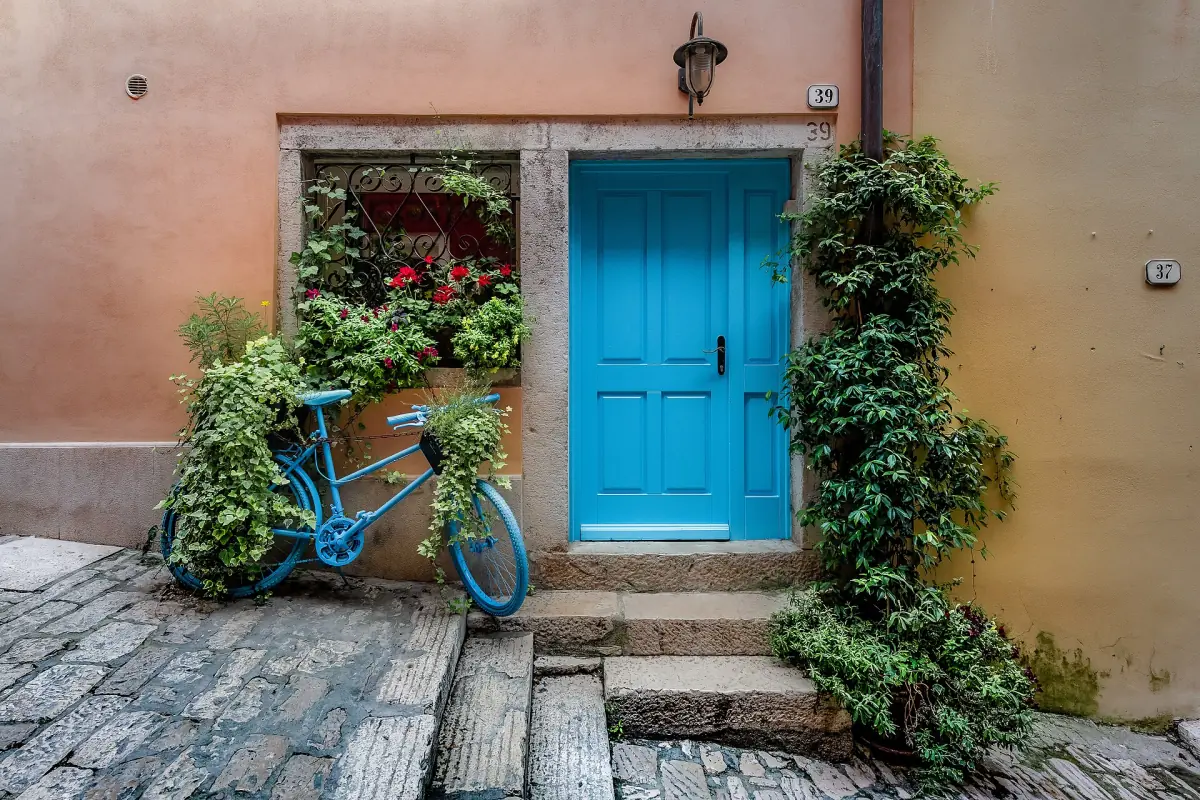
1. Rovinj old town and St. Euphemia
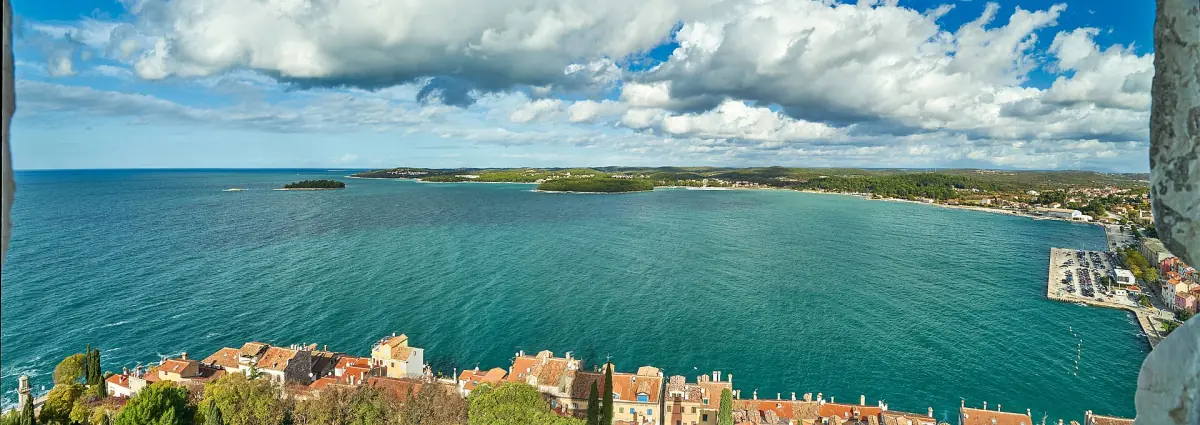
Rovinj is a town of narrow lanes around a baroque church. The bell tower of St. Euphemia is about 60 m high and carries a copper statue that works as a wind vane. Motor vehicles are banned in the old town, so you arrive on foot or by bike. Entering the church is described as free and the tower climb as paid, so check the price at the entrance.
Rovinj →2. Roman Pula: Arena, temple and arch
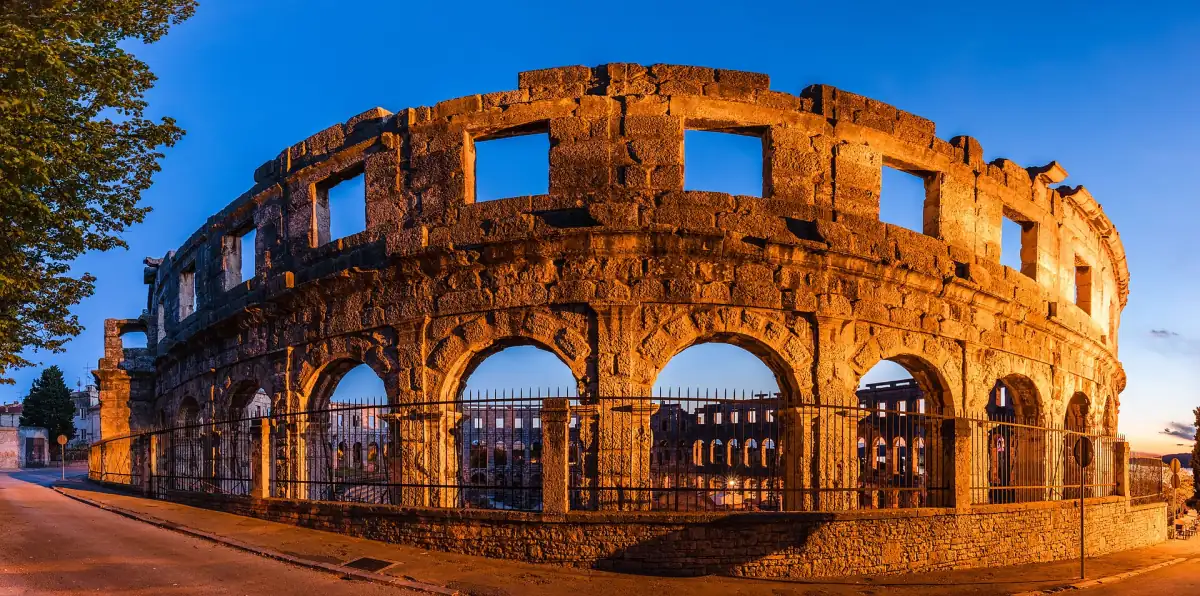
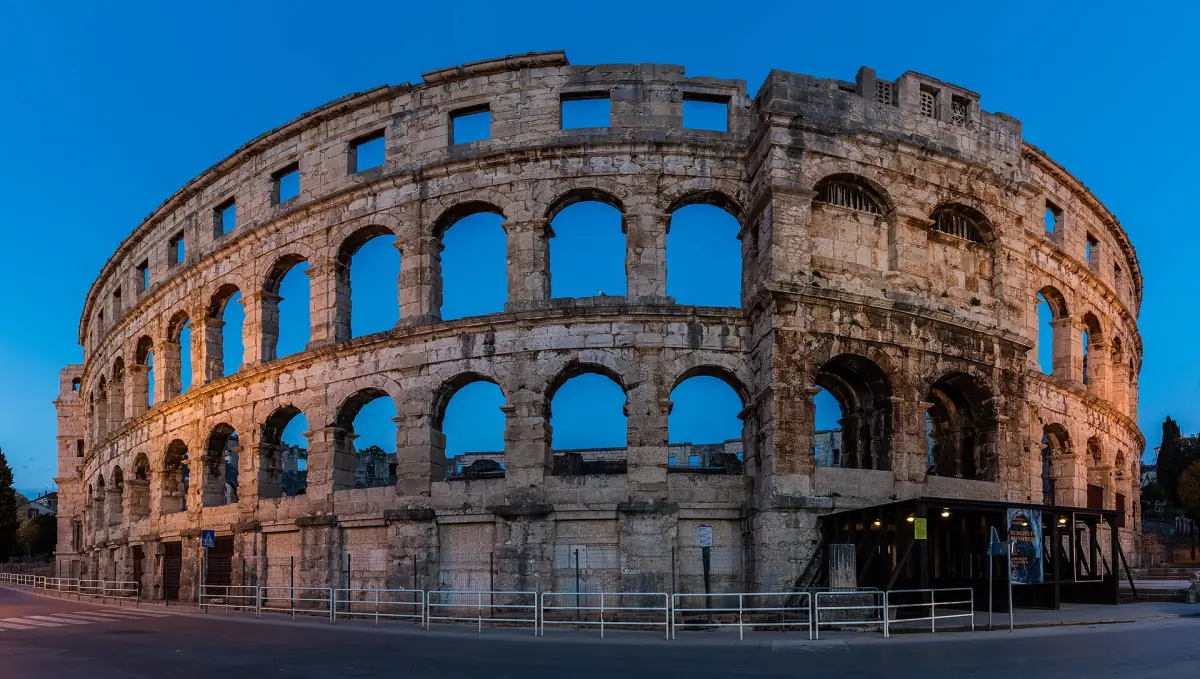
The Arena is a Roman amphitheater from the 1st century. An adult ticket costs €10 in 2026, and children, school pupils and students pay €5. The Temple of Augustus costs €2 for adults, and the Arch of the Sergii can be seen for free at any time.
Pula →3. Poreč and the Euphrasian Basilica
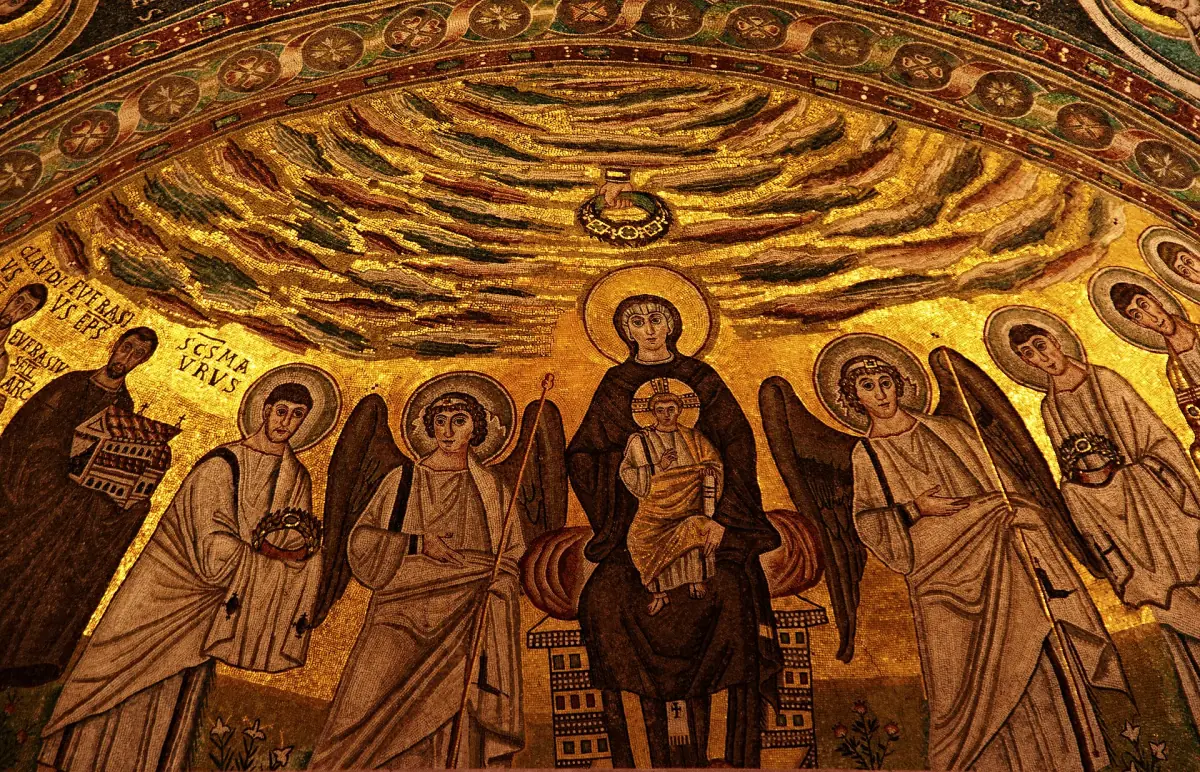
The bishop's complex around the Euphrasian Basilica has been on the UNESCO World Heritage list since 1997 and dates from the 6th century. The regional tourism body lists €10 for adults and €5 for pupils and students. The Roman street grid with its east-west and north-south axes is still visible in the old town.
Poreč →4. Motovun and its town walls
The Motovun ticket covers the town walls with a photo point, the Pet kula gallery, the town loggia and the medieval Nova vrata tower. It costs €5 for adults, €3 for children aged 7 to 14 and €3.50 for students and pensioners. Children under 7 enter free.
Motovun →5. Grožnjan, the art town
Grožnjan is known for its galleries and music. Artists took over empty houses here and gave the hill town a new life, and the sculptor Aleksandar Rukavina played a leading role. Walk the lanes and look into the galleries, and check their opening days on arrival.
Hill towns →Our picks: things to do
Kayaking along the coast, a truffle walk and a boat trip to Brijuni.
Hand-picked tours, booked through GetYourGuide. Prices are indicative starting prices in euros (as of October 2026). Tap a tour for live availability and the current price in your currency.
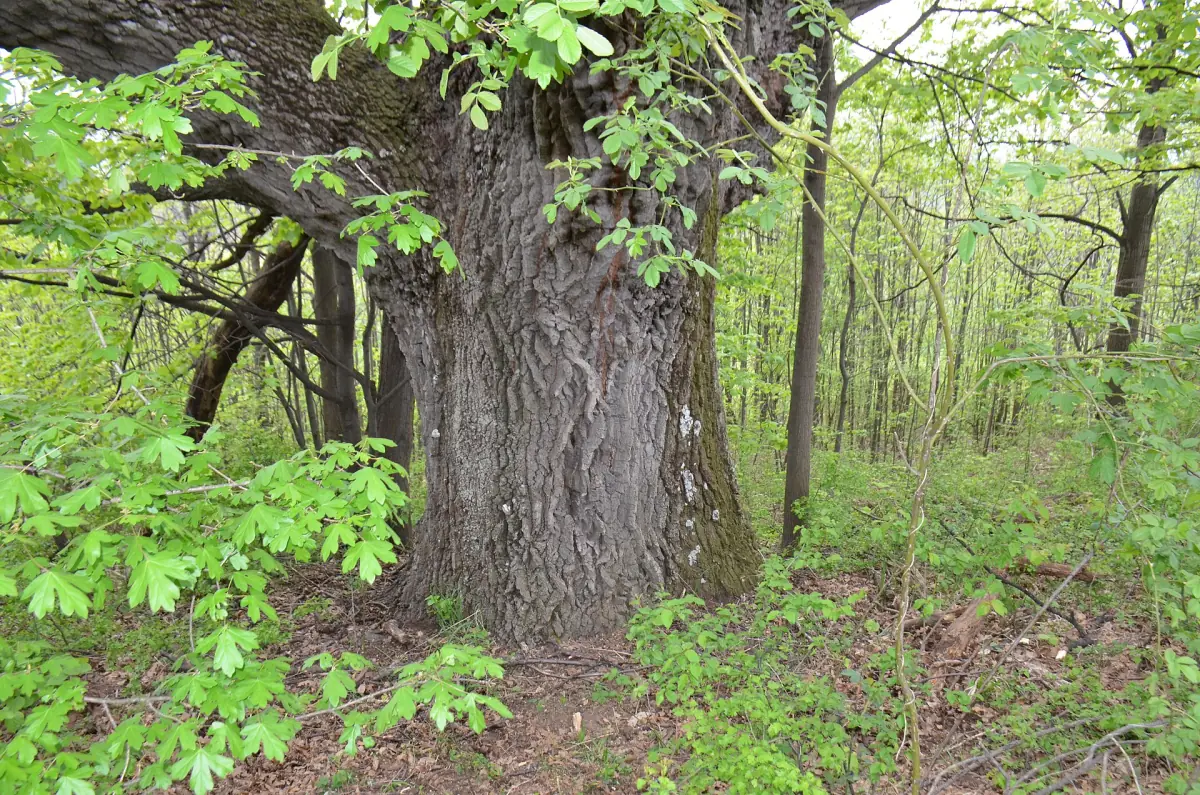
Guided truffle hunting walk in Livade
A guided walk, with boots and a rain jacket if needed.
Check availability →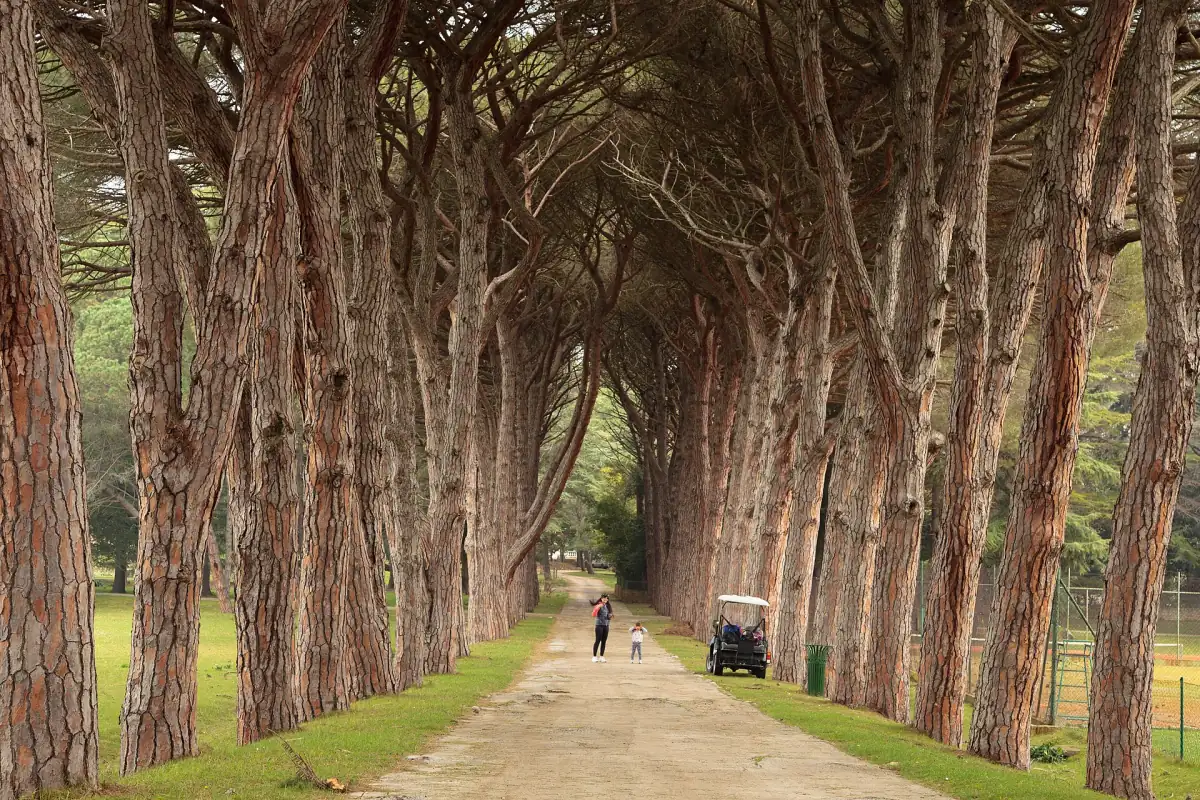
Brijuni boat trip with lunch and dolphin watching
A guide, binoculars, a meal and unlimited white wine, water and soft drinks. The stay of about 2.5 hours is on Sveti Jerolim, so a visit to the main island Veliki Brijun is not guaranteed.
Check availability →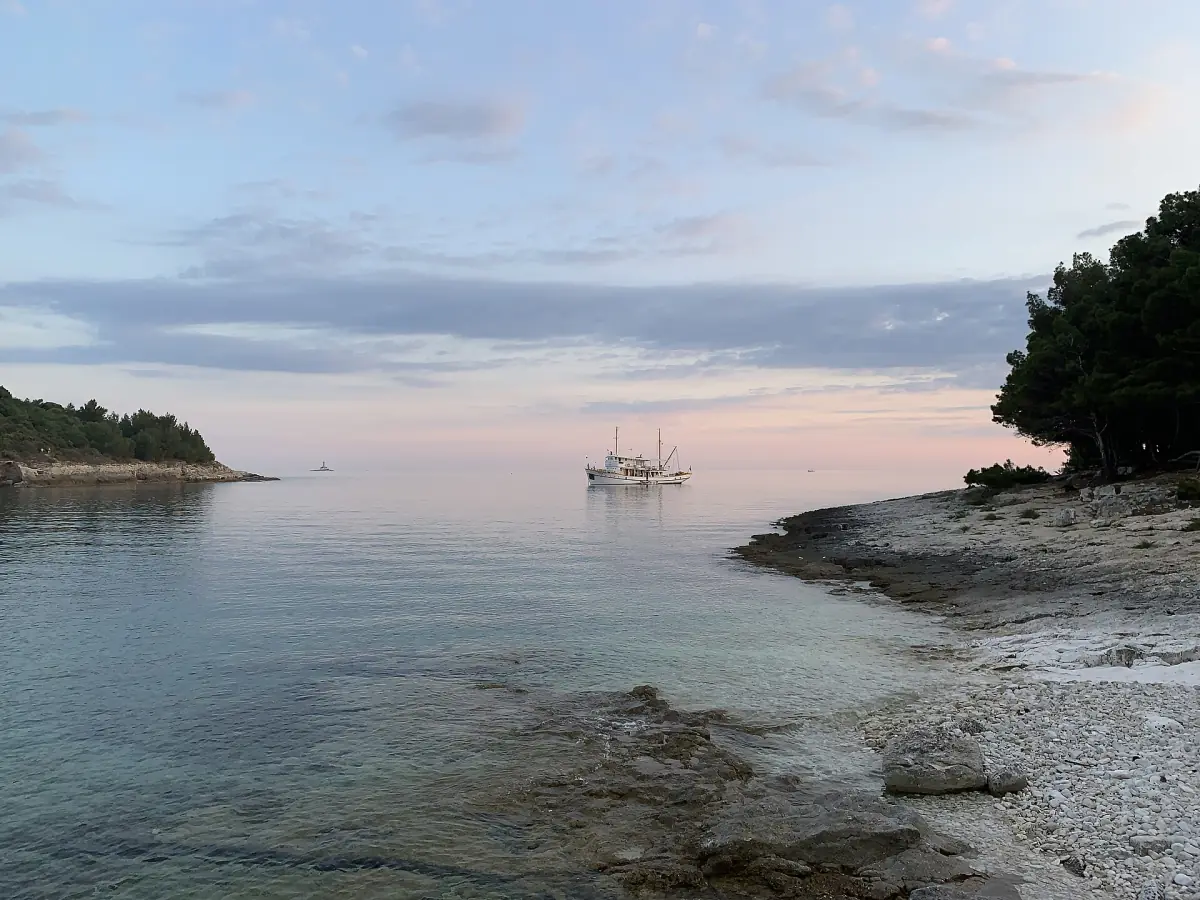
Cave kayak tour with snorkeling near Pula
Kayak, paddle, life jacket, snorkeling gear and a dry bag, with a briefing and local guides.
Check availability →Istria tours and day trips
Boat trips, truffle hunts and day trips across the peninsula, with live prices and availability.
The hills, islands and nature
Trails, a national park and protected coast.
6. Hum, the smallest town
Hum lies near Buzet, about 7 km from Roč, where the Glagolitic Alley ends. Tourism bodies promote it as the smallest town in the world. Treat that as a nickname, not as a measured record.
7. The Parenzana trail
The Parenzana was a narrow-gauge railway between Trieste and Poreč. It was 123.1 km long, linked 33 places and ran from 1902 to 1935. Parts are now walking and cycling paths with tunnels, viaducts and old stations. Check the section you plan to ride for surface and closures.
8. Brijuni National Park
Boats leave from Fažana for Veliki Brijun. The guided tour takes about 3.5 hours with a tourist train, the safari park and a museum visit. The adult price is €35 from October to May and €50 from June to September in 2026. A road near Fažana is closed until 13 January 2027, so allow extra time.
Brijuni →9. Cape Kamenjak
Kamenjak is a protected landscape with several bays, not a national park. Walkers and cyclists pay no fee. A car costs €20 per day from 15 June to 15 September 2026 and €10 in the shoulder periods, with 10 percent off online. Leave by 22:00 and keep dogs on a lead.
Beaches →10. The Limski Canal
The Limski kanal near Vrsar is a flooded karst valley, also called a fjord. The sea inlet is almost 13 km long, and with its land continuation it reaches 35 km. The landscape has been protected since 1964 and the sea area as a reserve since 1980. Mussels and oysters are farmed in the inner part.
Tours →Towns on the coast and food
Tennis, harbors, hill streets and truffles.
11. Umag and the tennis stadium
Umag hosts the Plava Laguna Croatia Open in the Goran Ivanišević stadium near Stella Maris, in July. The final in 2026 was announced for Saturday 18 July. The Laguna beach lies next to the stadium, about 3 km from the center.
Umag →12. Novigrad
The old town of Novigrad (Cittanova) in Istria has the Mandrač harbor, remains of the town walls, the Belveder loggia and a lapidary. The bell tower is 44 m high. Make sure you head for Novigrad in Istria, not the town of the same name in Dalmatia.
13. Vrsar
Vrsar is built on a slope above the sea with a medieval street plan. The lanes are narrow and winding, and some have steep steps. Viewpoints and old gates make a good short walk, but the old town is not step-free.
14. Labin and Rabac
Labin (historic name Albona) is a medieval hill town with art workshops. Rabac below has the Girandella beach, where a snorkeling area is reached by steps below the dive center, and Maslinica, a pebble beach about 500 m long. Watch for currents and do not touch moray eels.
Labin and Rabac →15. Truffle hunting and tasting
One provider near Buzet offers hunts with trained dogs and a tasting all year, and you can reserve a date. White truffles are in season from 15 September to 31 January. The Zigante Truffle Days in Livade run on weekends until 1 November 2026, and entry to the fair is free.
Truffles →Combining the highlights
A few ways to fit them together without long drives.
West coast base
Rovinj, the Limski Canal, Vrsar and Poreč lie on the same stretch of coast. Rovinj also has several local boat operators.
South base
Pula, Kamenjak and the boat from Fažana to Brijuni fit together.
Hills and truffles
Motovun, Grožnjan and the truffle villages share the same hills, and Hum lies near Buzet.
Rovinj
The old town, the church of St. Euphemia and boat trips.
Pula and the Arena
Tickets, hours and the Roman monuments.
Poreč
The basilica complex and the old town.
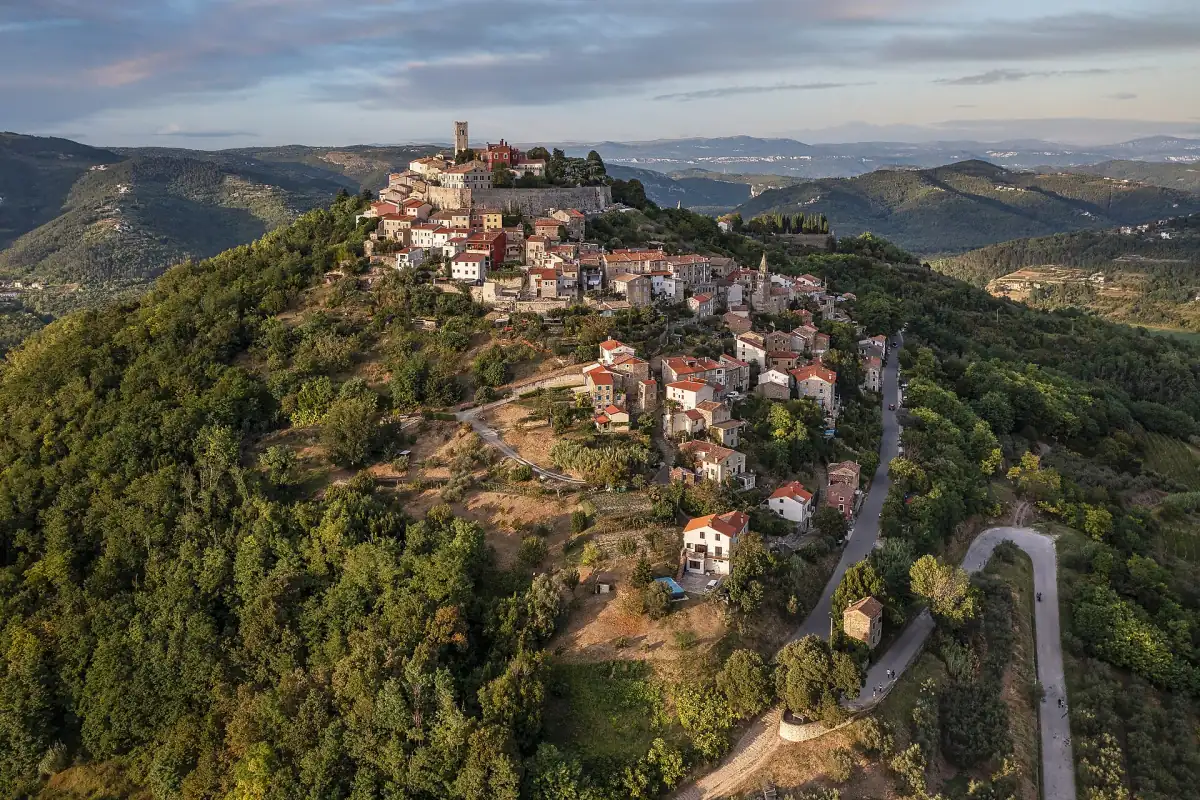
Motovun, Grožnjan and Hum
Wall tickets and art galleries on the hills.
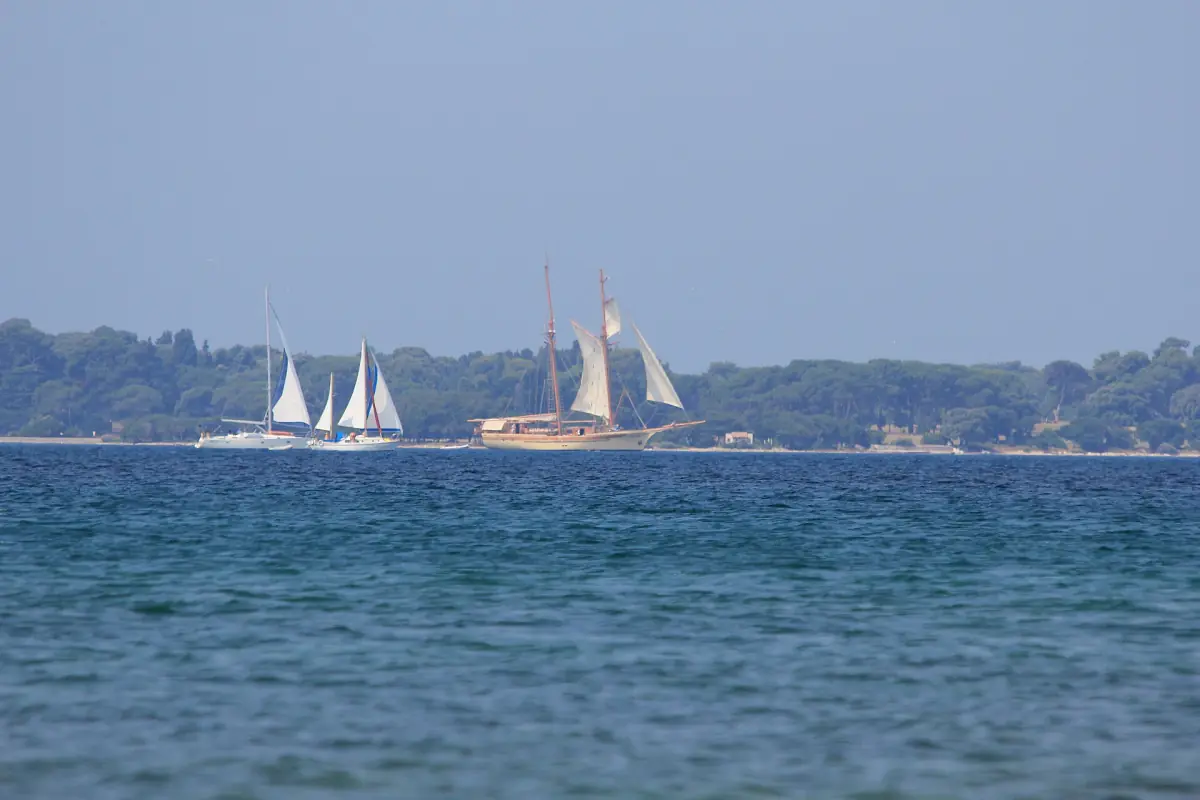
Brijuni National Park
The island tour from Fažana, step by step.
Istria beaches
Twelve beaches and coves.
Things to do in Istria: frequently asked questions
How many days do you need for Istria?
A long weekend covers one area well, for example Rovinj with the Limski Canal or Pula with Kamenjak. A week lets you combine the coast with the hill towns. The places are spread out, so pick a base and make day trips.
Is Brijuni worth a day trip?
The guided tour takes about 3.5 hours and includes the boat from Fažana, a tourist train, the safari park and a museum. Plan for a half day.
Where can I go on a truffle hunt?
A provider near Buzet runs hunts with trained dogs and a tasting all year, and you can reserve a date. The white truffle season runs from 15 September to 31 January, and other truffle types are in season at other times of the year.
Are the sights free?
Some are. The Arch of the Sergii in Pula is free to see, and walking through the old towns costs nothing. The Arena, the Temple of Augustus, the Motovun walls and the Brijuni tour have tickets.
Which beaches are on this list?
Kamenjak and the Rabac beaches appear here as part of larger entries. The beaches page lists twelve beaches and coves with notes on each one.